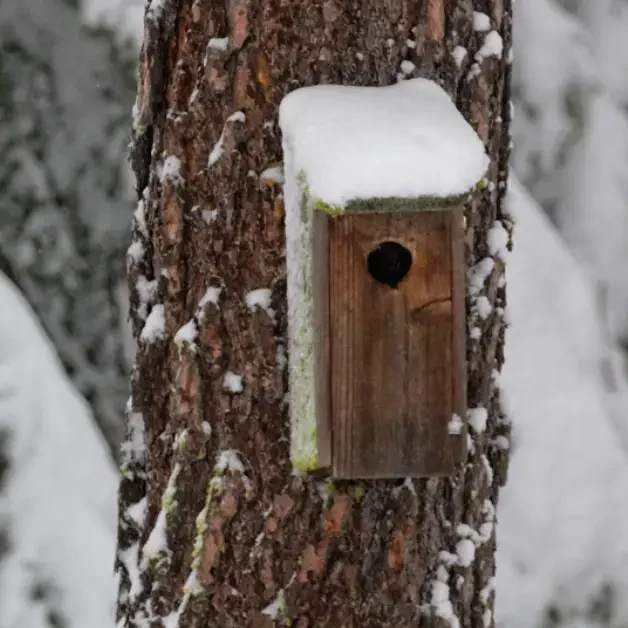
When fall arrives and cold weather descends, we often think it’s time to put the nest box away. If we leave them standing, we assume they will stay vacant throughout the winter until the following breeding season.
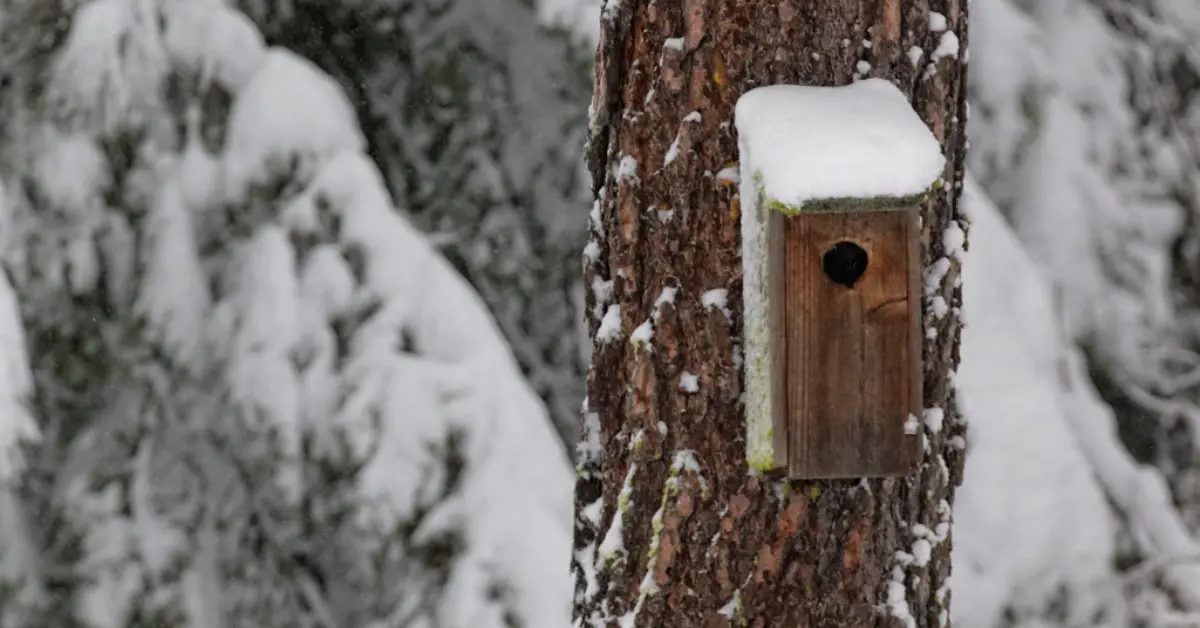
You may be surprised to learn that your birdhouse can be a source of safety and warmth for local songbirds during cold winter nights. So if you’ve been debating what to do with your nest box, you may want to leave it standing. That said, there are a few things you’ll want to do to best prepare it for winter roosting.
Yes, Birds use Bird Houses in the Winter
It’s a common belief among backyard birders that birdhouses won’t be used during the winter months. Some people block the entrance to their birdhouse or store it away to ensure other critters don’t move in.
But if you leave it standing, you may attract some birds to roost in it during the night. There are a few key species that commonly use birdhouses or cavity nests in the winter. These include chickadees, titmice, bluebirds, woodpeckers, wrens, and even screech owls.
A cavity nest or nest box provides shelter from the wind, snow, or rain, and can help small birds survive the cold nights. There may even be several birds in one nest that all roost together to stay warm. Some people believe this only occurs during extreme cold fronts or harsh weather, but many nest box owners have personally observed birds roosting in their nest box regularly, even on mild winter days.
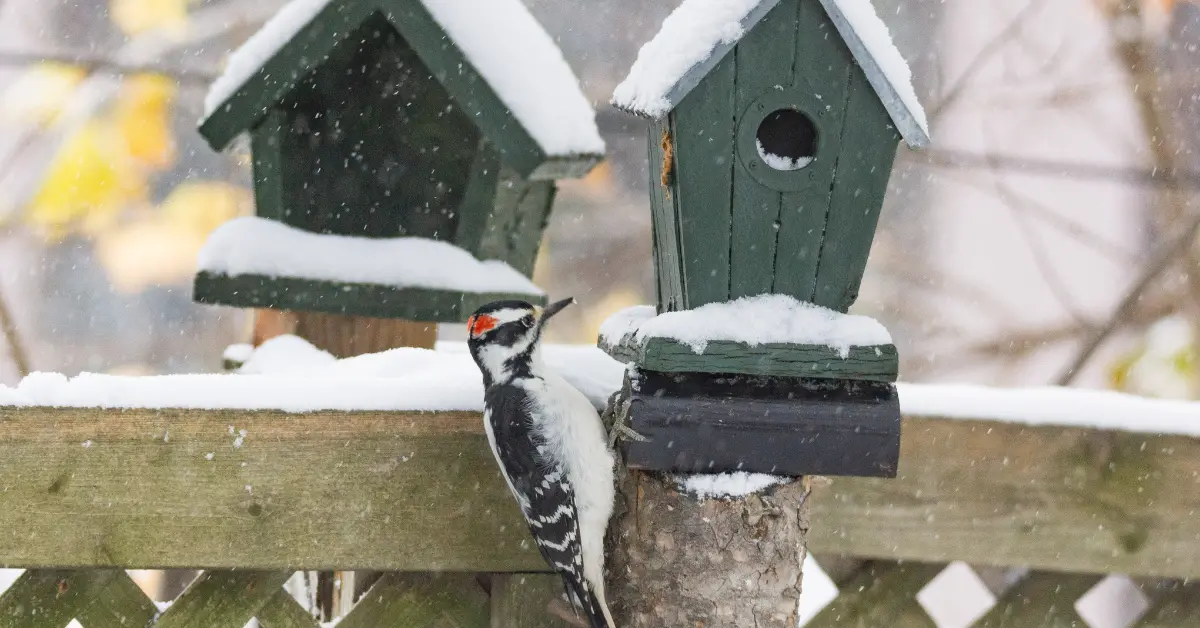
Most of the time, you’ll want to prepare your nest box in the fall for roosting, as some adjustments will make it even more appealing and safe for your local birds. But if you’re reading this in the middle of winter, you can still make the following adjustments now to encourage birds to roost in your nest box.
Preparing your Nest Box for Winter
Some people report leaving their nest box as is and still having winter visitors. You can certainly try this method, but it’s strongly encouraged to at least clean out the old nesting material. Once you clean it out, you can replace that material with straw, wood shavings, or even dried grass.
People who have nest box cameras have anecdotally observed that when nest material was removed (and not replaced), birds were less likely to roost in it during the night. They had greater success when there was old nesting material, but the problem with that is you don’t want there to be mites or bacteria in your birdhouse from the old nest.
So, it’s best to remove it and replace it with some fresh material that the birds can fluff up and use for warmth. This is especially true for chickadees and bluebirds, but it is unnecessary for birds like woodpeckers.
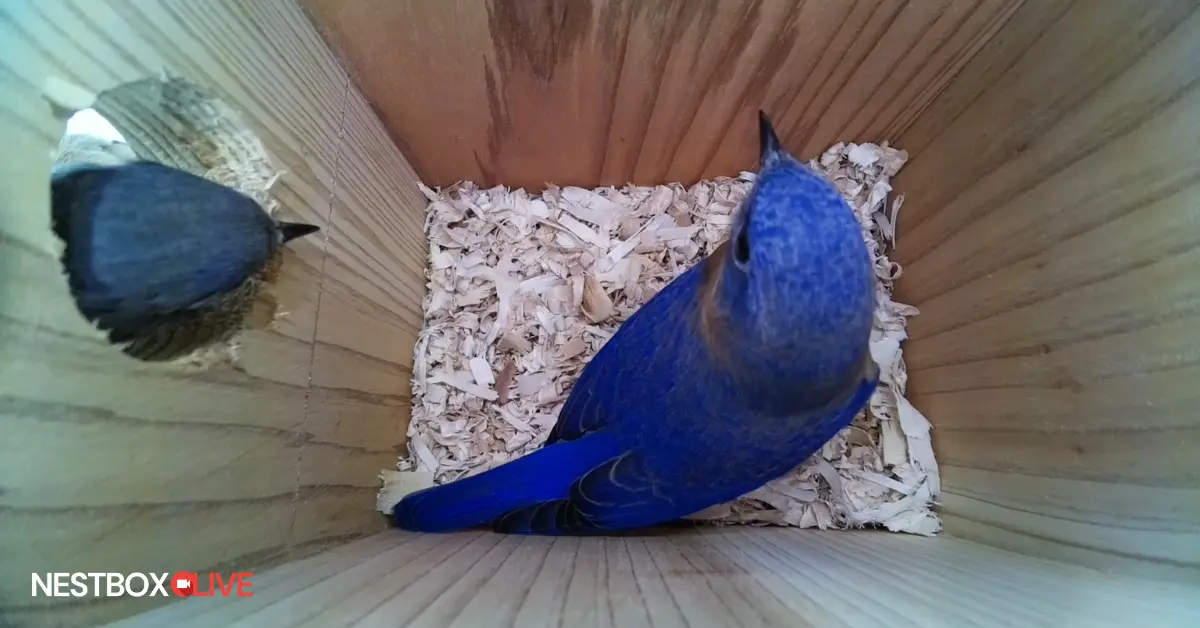
To transform your nest box into a proper roost house, follow these steps:
1. Install removable roost perches
For perching birds, such as chickadees and titmice, you can install perches for them to roost on. Using thin dowels, screw in a few staggered perches at different levels away from the entrance hole. This allows multiple birds to roost in the nest and provides them with a more comfortable place to sleep. Come springtime, you can remove the dowel perches so that it is a normal nest box again. (Roosting perches are not necessary for bluebirds or woodpeckers.)
2. Cover air-ventilation holes
Many nest boxes have ventilation holes to help keep the nesting area cool and dry during the breeding season. However, in the winter, these ventilation holes can create a cold draft. You can cover these holes with tape, removable foam weatherstripping, or plug them with rags or cotton. If you do this, make sure to remove the coverings in early spring.
3. Roughen the walls or install hardware cloth
You can make your winter birdhouse more appealing to woodpeckers by providing them with something to cling to. You can roughen the smooth walls with a high-grit sandpaper, score them with a sharp knife, or screw in hardware cloth.
4. Install the nest box high up
Birds seem to prefer roosting boxes that are higher than average nesting boxes. It’s recommended to mount them on a metal pole to keep them safe from predators, about 10 feet or higher.
5. Mount the nest box away from the wind
It’s best to mount the birdhouse in a location sheltered from prevailing wind. This will help keep it warm during the night and prevent cold wind from blowing into the entrance hole. If you can, you’ll also want to position it in a place that receives direct afternoon sunlight, as this will make the nest box warmer during the night.
6. Turn your nest box front panel upside down (for some species)
If your nest box entrance is near the top, it’s recommended to turn it upside down so that the hole is near the bottom. The idea is that hot air rises, so this can help trap the heat. (Keep in mind that some birds, including downy woodpeckers and bluebirds, prefer to sleep on the nest box floor. If you wish to attract these birds, it’s best to leave the nest box right-side up so that the entrance hole remains near the top.)
While these steps will help you provide an ideal roosting box for birds, it’s also important to work with what you have and what you’re capable of doing.
“Remember that any type of shelter, no matter how imperfect, is helpful on a freezing cold night.”
explains Karen Patricio from All About Birds .
Help Local Birds by Providing Winter Nestboxes
Along with setting out a stocked feeder and water, winter roosting boxes are one of the best ways you can help your backyard birds survive the winter. While you can purchase roosting boxes, you can also easily convert your nest box into a winter roost house by following the tips above.
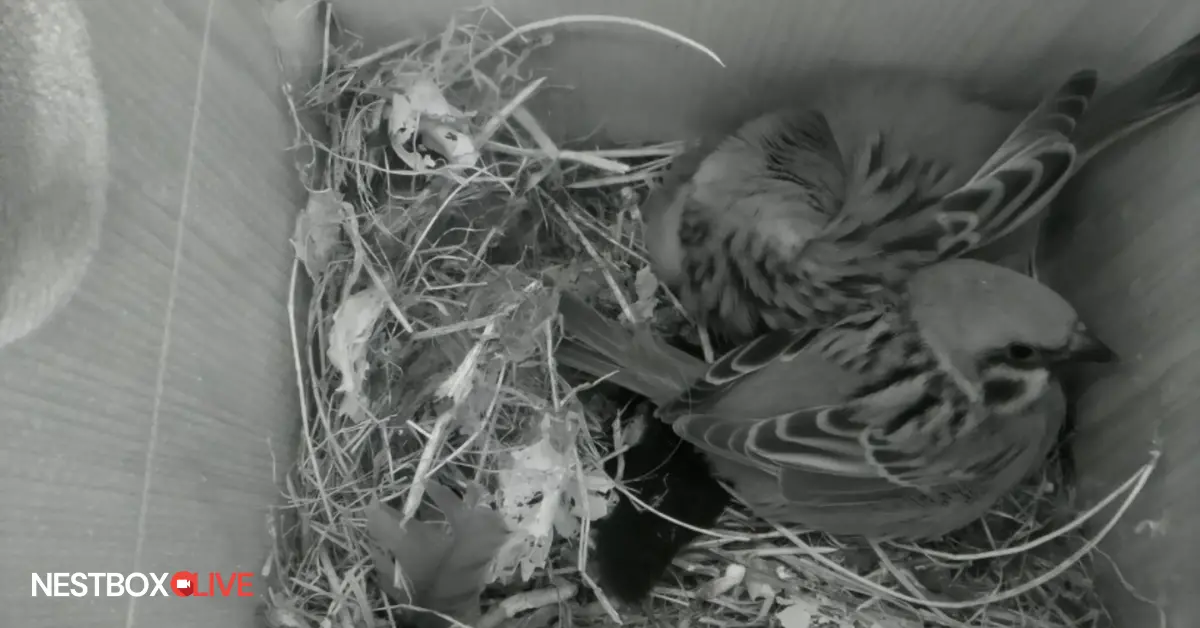
By doing so, you may just have a family of bluebirds or chickadees move in for the winter. You will also likely have pairs of these same families nest in those boxes come early spring. As such, it’s never too late (or early) to set out a nest box. And if you’re curious about what birds roost in your birdhouse over the winter, consider setting up a nest box with a built-in camera!
Do you have any experience with birds roosting in your nest boxes over the winter? We would love to hear about it, including if (or how) you adjusted the nest box and what bird species it was!